
ISO 19650 Made Simple: What AEC Teams Must Follow

ISO 19650 is one of those BIM terms that many AEC teams hear in meetings, tenders, project documents, and client requirements. For many architects, engineers, BIM modelers, contractors, and project managers, it still sounds more like a compliance document than a practical workflow. ISO 19650 is an international standard for managing project information using BIM […]
MEP Shop Drawings: What They Include and How the Approval Process Works
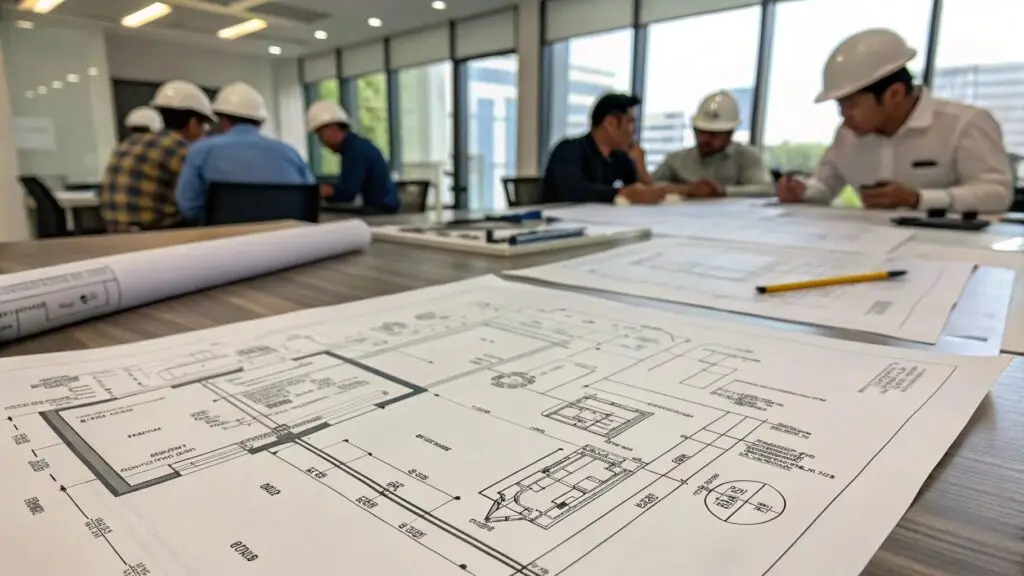
In any construction project, design intent alone is not enough to execute work correctly on site. Teams need clear, coordinated, and buildable drawings that translate design into installation-ready information. That is exactly where MEP Shop Drawings become essential. Whether the project is a commercial tower, hospital, industrial unit, hotel, or residential development, Shop Drawings help […]
BOM vs BOQ vs MTO: What Contractors Should Use and When
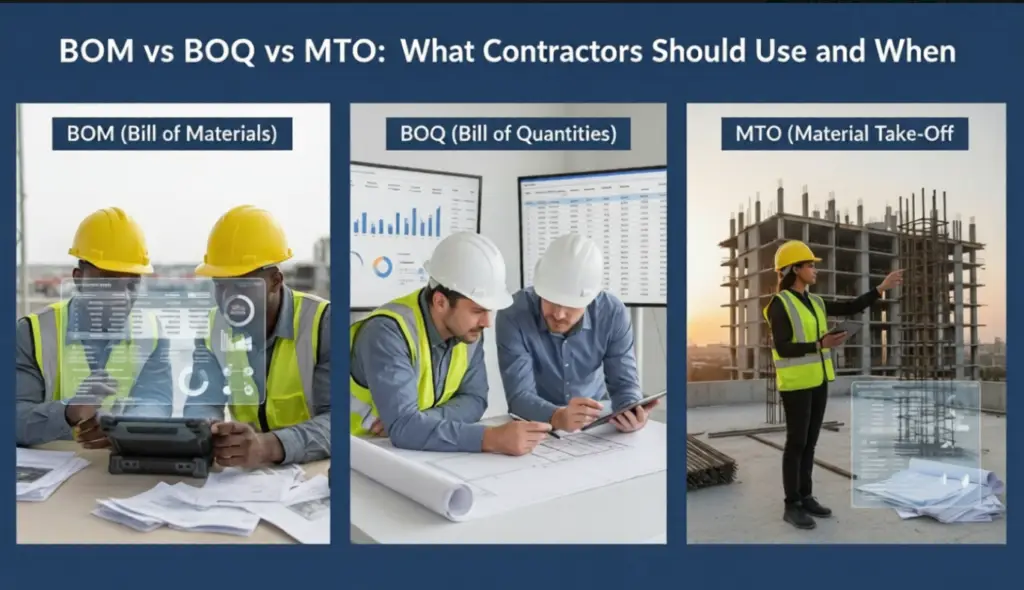
In construction, one wrong document can create a chain of problems. A contractor may order extra material, a procurement team may miss key items, or a client may compare bids that were never based on the same scope. That is exactly why the confusion between BOM vs BOQ vs MTO still causes trouble on many […]
Shop Drawings vs As-Built Drawings: Key Differences Every Construction Team Should Know
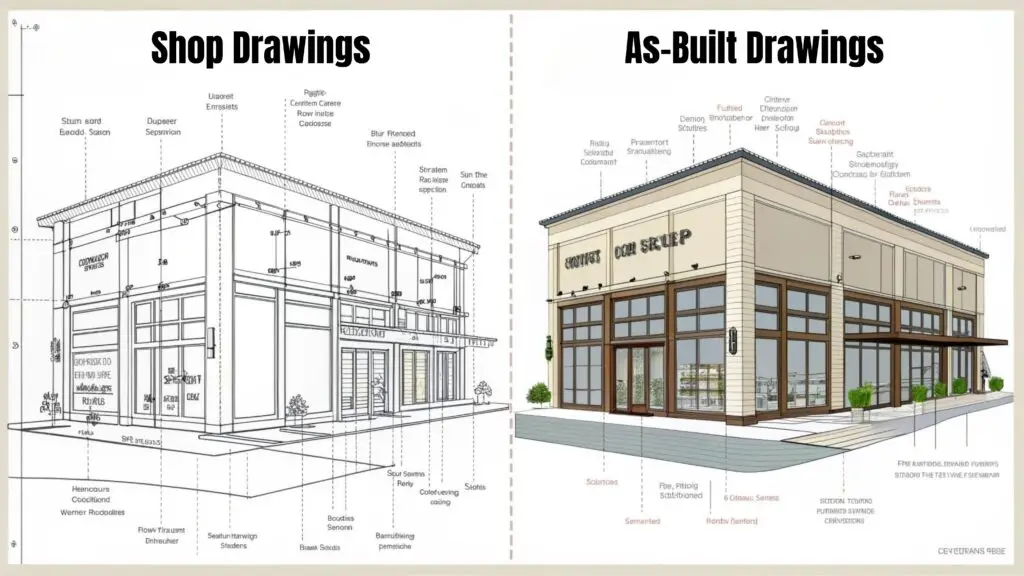
In construction, drawings are not just paperwork. They guide execution, coordination, approvals, installation, handover, and future maintenance. Yet many project teams still confuse shop drawings with as-built drawings. On the surface, both look technical and project-specific. But in reality, they serve very different purposes. If you are a contractor, consultant, fabricator, MEP engineer, or project […]
How to Choose a BIM Partner: A Practical Checklist for Contractors and Developers
Choosing a BIM partner is not just a vendor selection task. It is a project decision that directly affects coordination quality, site execution, drawing accuracy, cost control, and delivery speed. A strong BIM partner helps you reduce clashes, improve communication, and issue dependable models, shop drawing packages, and as built drawing documentation. A weak partner […]
As-Built vs Record Drawings: What Is the Real Difference in Construction?
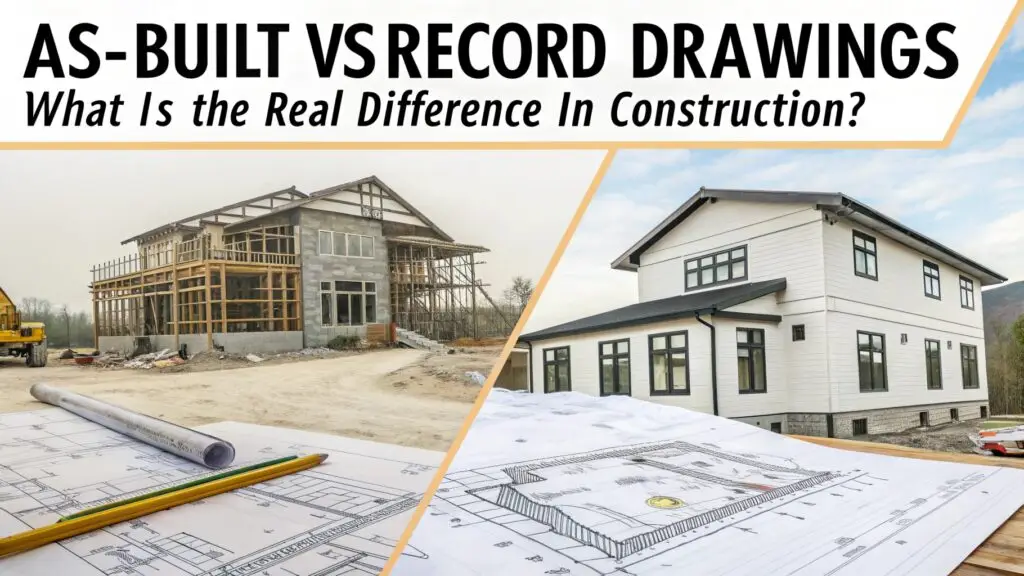
In construction, people often use as-built drawings vs record drawings as if they mean the same thing. On many projects, that casual usage creates confusion between owners, consultants, contractors, and facility teams. The result is simple but serious: teams close projects with unclear documentation, missing field changes, and incomplete handover sets. So, are as-built drawings […]
Clash Detection for MEP: 10 Critical Clash Types Every Project Team Must Check

Modern building projects do not fail only because of bad design. They fail because different systems try to occupy the same space, at the same time, in the same ceiling, shaft, corridor, or plant room. That is exactly where clash detection services become essential. In MEP coordination, even a small clash between ductwork, pipes, cable […]
Common Data Environment (CDE): Single Source of Truth for AEC

If you’ve ever worked on an AEC project where architects, structural teams, and MEP engineers are all updating files in parallel, you already know the real problem isn’t design, it’s version control. This is exactly where a Common Data Environment (CDE) comes in. A CDE is not just a folder in the cloud. It’s a […]
Benefits of MEPF Coordination in BIM for Construction Projects

MEPF coordination in BIM isn’t a “nice-to-have” anymore. If you’re building anything even slightly complex such as hospitals, data centres, high-rises, malls, hotels, industrial plants, MEP services will fight for space. And when MEP systems fight on site, you don’t just lose time. You lose money, quality, and trust. That’s exactly why MEPF (Mechanical, Electrical, […]
What is 3D Building Information Modeling (3D BIM)?

When people hear “3D,” they often think it’s only about good-looking visuals. But 3D Building Information Modeling(3D BIM) is not just a pretty model. It’s a data-rich digital model of a building, where every wall, slab, door, window, duct, pipe, and piece of equipment is created as an intelligent object with real information attached like […]