
MEP Shop Drawings: What They Include and How the Approval Process Works
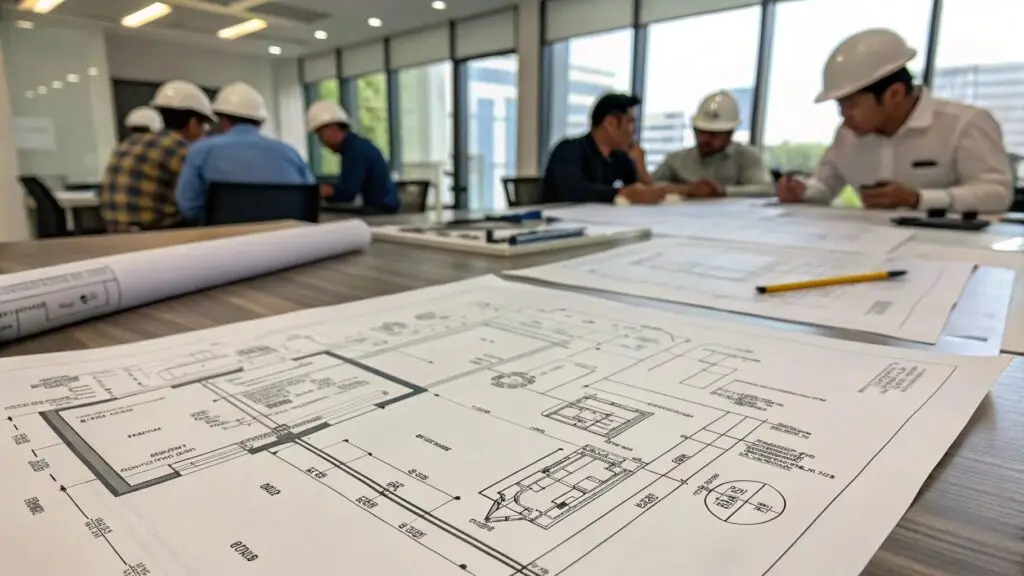
In any construction project, design intent alone is not enough to execute work correctly on site. Teams need clear, coordinated, and buildable drawings that translate design into installation-ready information. That is exactly where MEP Shop Drawings become essential. Whether the project is a commercial tower, hospital, industrial unit, hotel, or residential development, Shop Drawings help […]
Shop Drawings vs As-Built Drawings: Key Differences Every Construction Team Should Know
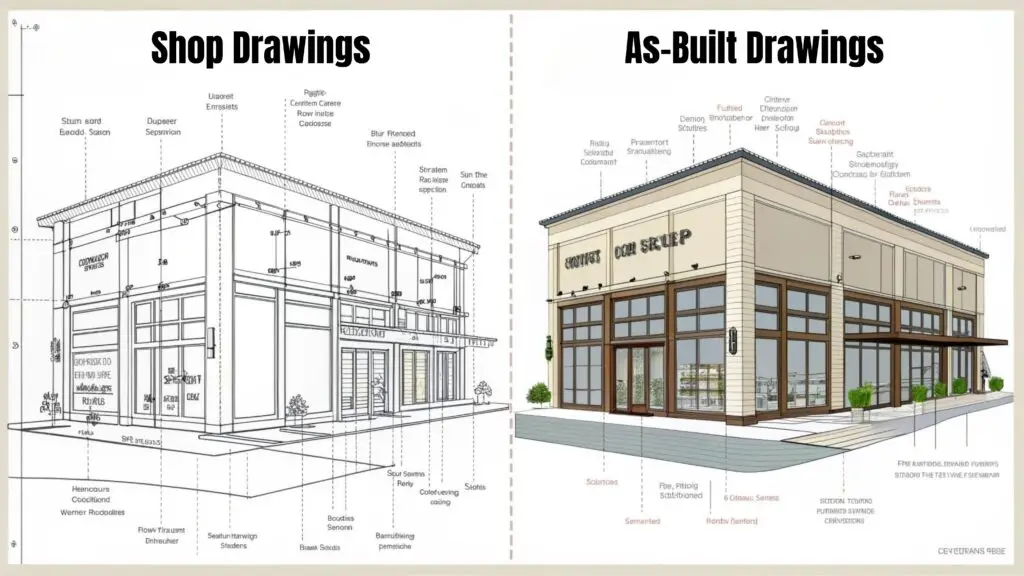
In construction, drawings are not just paperwork. They guide execution, coordination, approvals, installation, handover, and future maintenance. Yet many project teams still confuse shop drawings with as-built drawings. On the surface, both look technical and project-specific. But in reality, they serve very different purposes. If you are a contractor, consultant, fabricator, MEP engineer, or project […]
How to Choose a BIM Partner: A Practical Checklist for Contractors and Developers
Choosing a BIM partner is not just a vendor selection task. It is a project decision that directly affects coordination quality, site execution, drawing accuracy, cost control, and delivery speed. A strong BIM partner helps you reduce clashes, improve communication, and issue dependable models, shop drawing packages, and as built drawing documentation. A weak partner […]
As-Built vs Record Drawings: What Is the Real Difference in Construction?
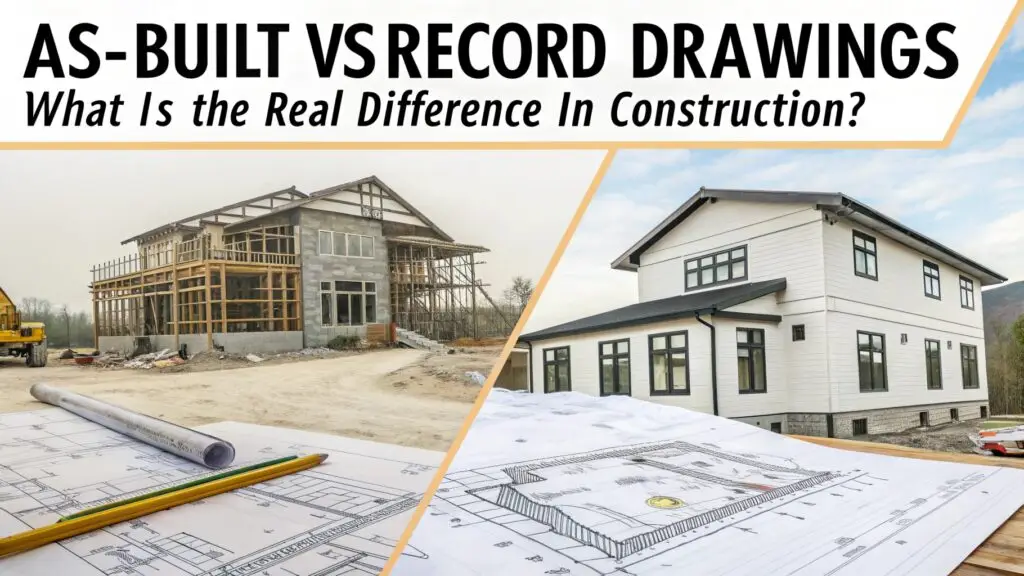
In construction, people often use as-built drawings vs record drawings as if they mean the same thing. On many projects, that casual usage creates confusion between owners, consultants, contractors, and facility teams. The result is simple but serious: teams close projects with unclear documentation, missing field changes, and incomplete handover sets. So, are as-built drawings […]
BIM Coordination Process: Step-by-Step Workflow for Real Projects
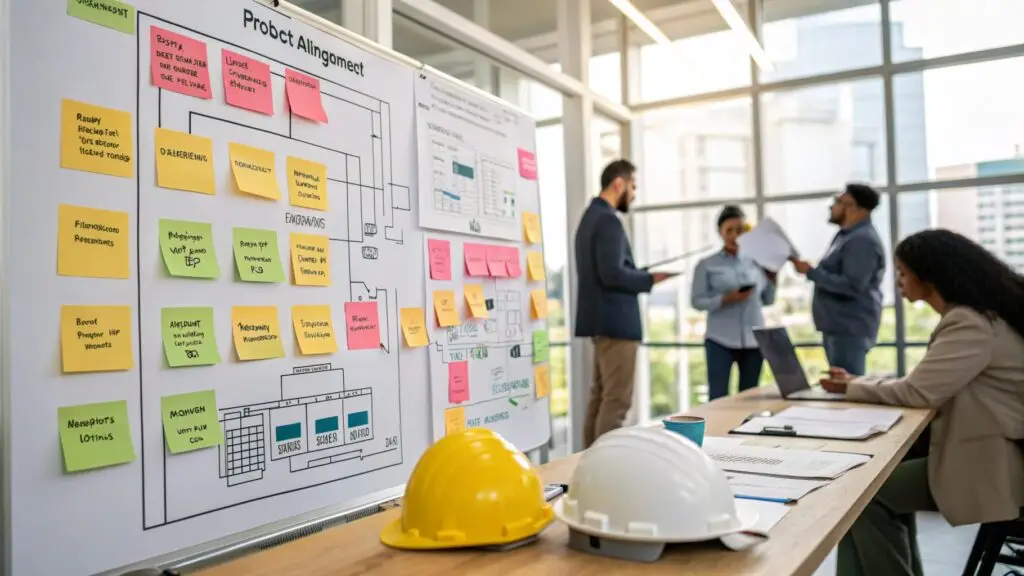
Real projects don’t fail because teams can’t model. They fail because coordination becomes messy: wrong versions, unclear ownership, clash reports that feel like noise, and approvals that happen too late. A clean BIM coordination process fixes that by turning models into a controlled workflow, where everyone knows what to check, what to resolve, who resolves […]
Common Data Environment (CDE): Single Source of Truth for AEC

If you’ve ever worked on an AEC project where architects, structural teams, and MEP engineers are all updating files in parallel, you already know the real problem isn’t design, it’s version control. This is exactly where a Common Data Environment (CDE) comes in. A CDE is not just a folder in the cloud. It’s a […]
6D Sustainability in BIM: Model Energy, Carbon, and LEED Readiness (2026 Guide)

If you’ve ever sat in a design review where someone says, “We’ll optimise energy later,” you already know how projects go off-track. Sustainability can’t be a last-minute add-on because once your massing, façade logic, glazing ratio, HVAC concept, and material palette are “locked,” most of your building’s energy and carbon story is locked too. That’s […]
Model QA/QC: Clash Rulesets, Tolerances, and Sign-off Gates (Built for Real Projects)

If your coordination meetings feel productive but the site still raises RFIs, rework, and “this wasn’t in the model” complaints, your BIM isn’t failing. Your Model QA/QC is. Whether you’re delivering a BIM modeling service, pushing shop drawing packages, or closing out as built drawings, the same truth applies: models don’t become reliable by effort; […]
OpenBIM & Interop Made Practical: IFC, BCF, and Vendor-Neutral Workflows That Actually Work
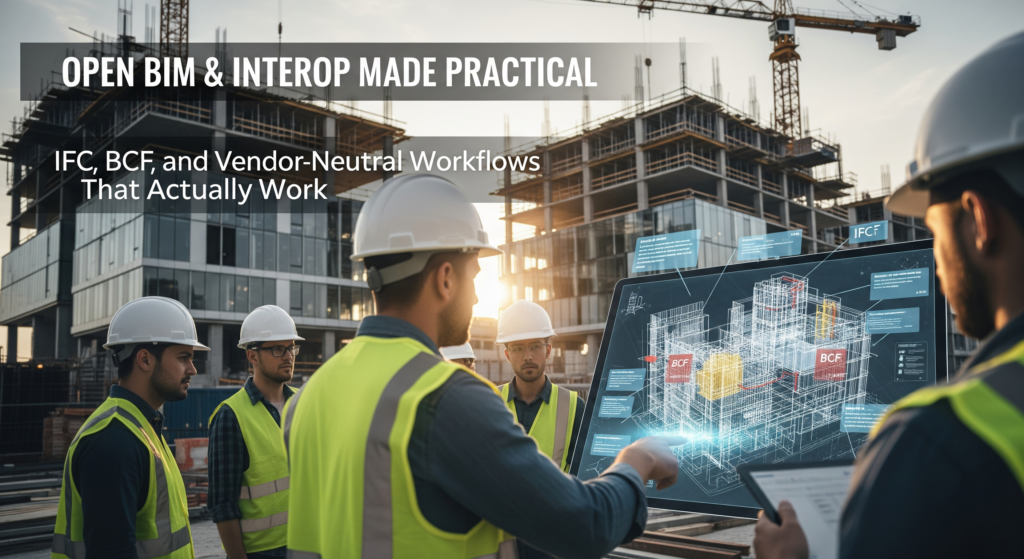
On most projects, the “model” is not the problem. The handoffs are. One consultant models in Revit, another in Archicad, a steel team works in Tekla, the coordinator lives in Navisworks or Revizto, and the client wants something they can still open five years from now. If you don’t plan interoperability early, you end up […]
4D BIM: Sequencing, Look-Ahead Plans, and Trade Stacking You Can Build

4D BIM links your schedule to your model so the plan is visible, testable, and practical. Done well, it improves safety, delivery, and cash flow. Done poorly, it’s just a pretty video. Build a usable 4D model Organize model elements by work packages, zones, and floors. Map them to activities from P6 or MS Project. […]