
Scan-to-BIM Services: Turning Point Clouds into Accurate As-Builts
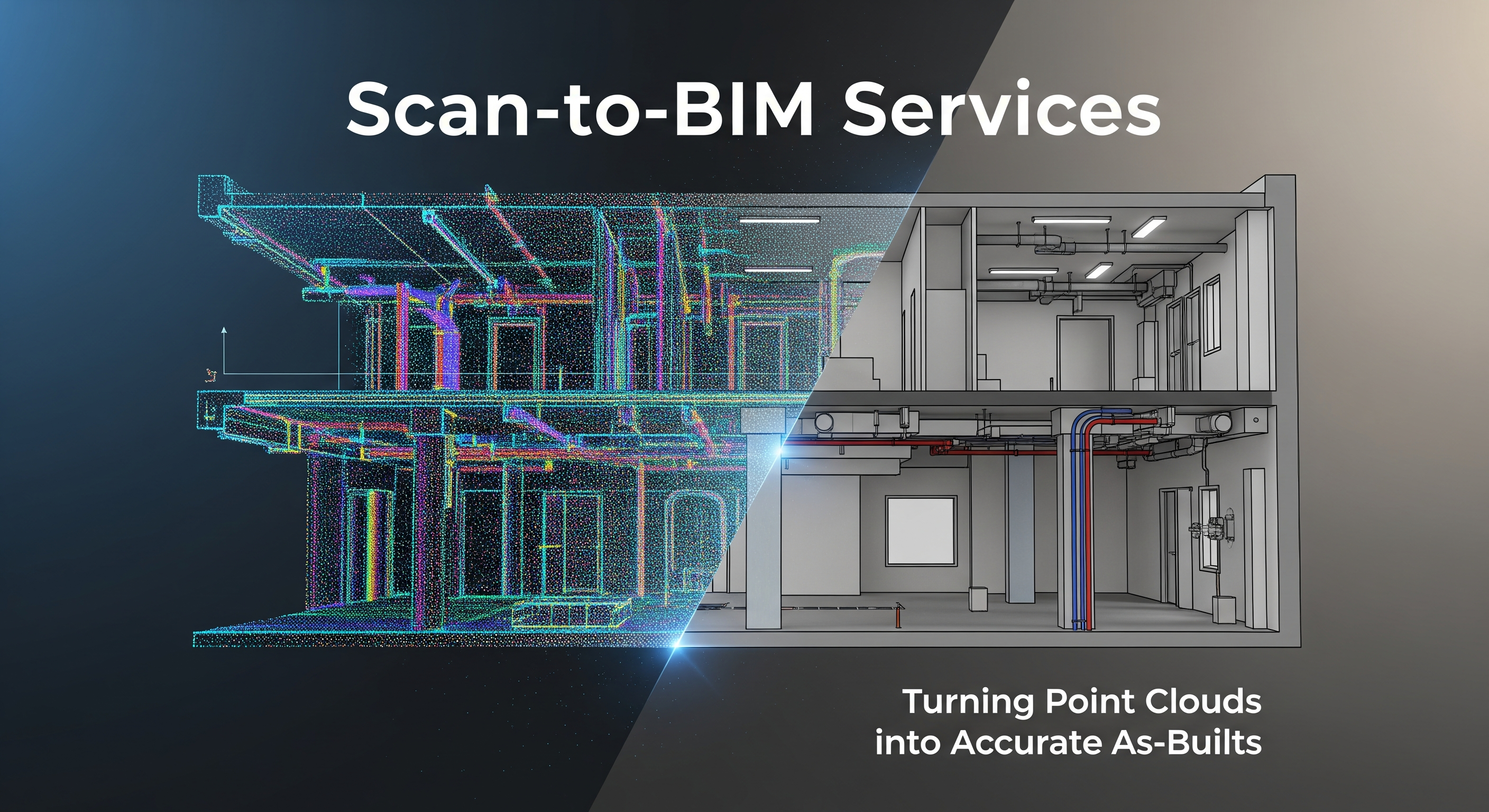
You can’t coordinate today’s work with yesterday’s measurements. Scan to BIM converts site reality into a model teams can trust, from brownfield renovations to hospital fit-outs. Capture: getting “field truth” right Use a 3D laser scanner for buildings to capture overlapping scans with targets or on-board SLAM. Aim for coverage on penetrations, slab edges, soffits, […]
Electrical BIM in Revit: Conduit Fill, Cable Trays, and Panel Schedules That Field Teams Trust
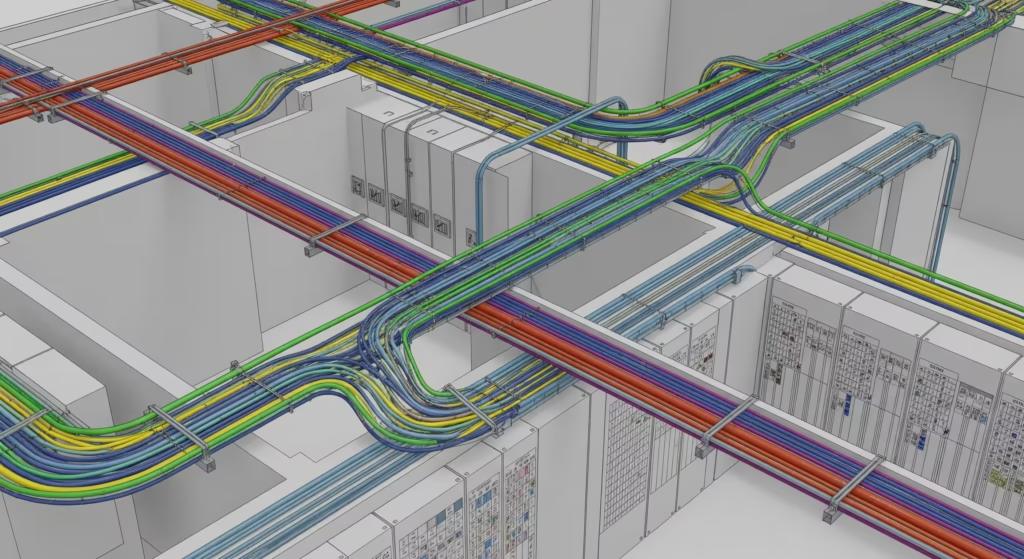
Electrical BIM only works when the model reflects installation reality, right down to conduit fill, cable-tray loading, and panel schedules that line up with as-built drawings. In Revit, that means building an information-rich system where parts, circuits, and schedules talk to each other and to the field. Here’s a clear, senior-level playbook you can use […]
Version Wars: AutoCAD Architecture vs Revit for Architects
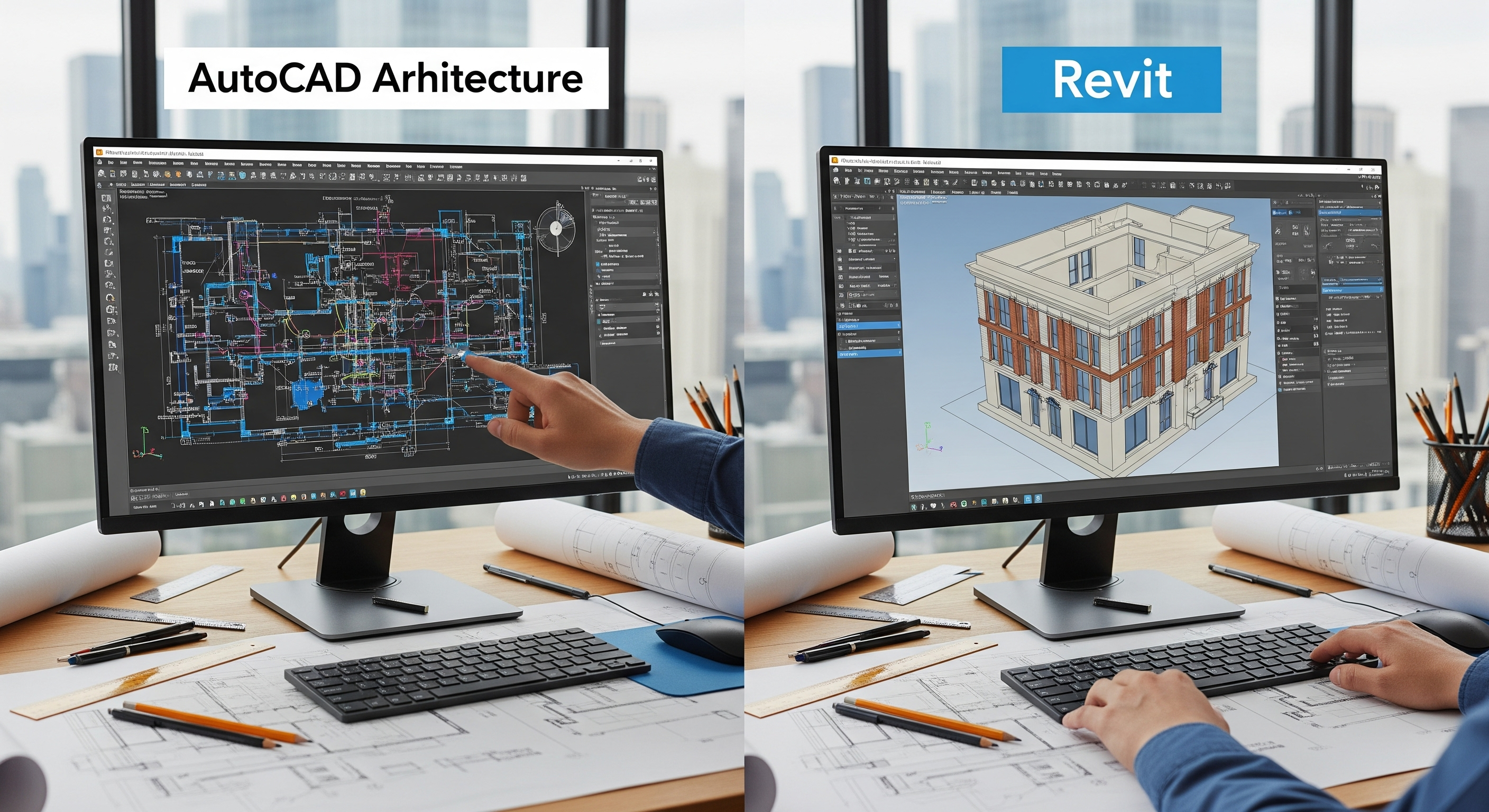
Choosing between AutoCAD Architecture and Revit isn’t just a software decision. It’s a business strategy. It influences your staffing model, deliverables, coordination workflow, and even how clients experience your design. If you’ve been weighing CAD vs BIM for your firm’s next chapter, this deep dive breaks down the tradeoffs in plain language so you can […]
Shop Drawings to Spools: Closing the Loop with the Fabrication Shop
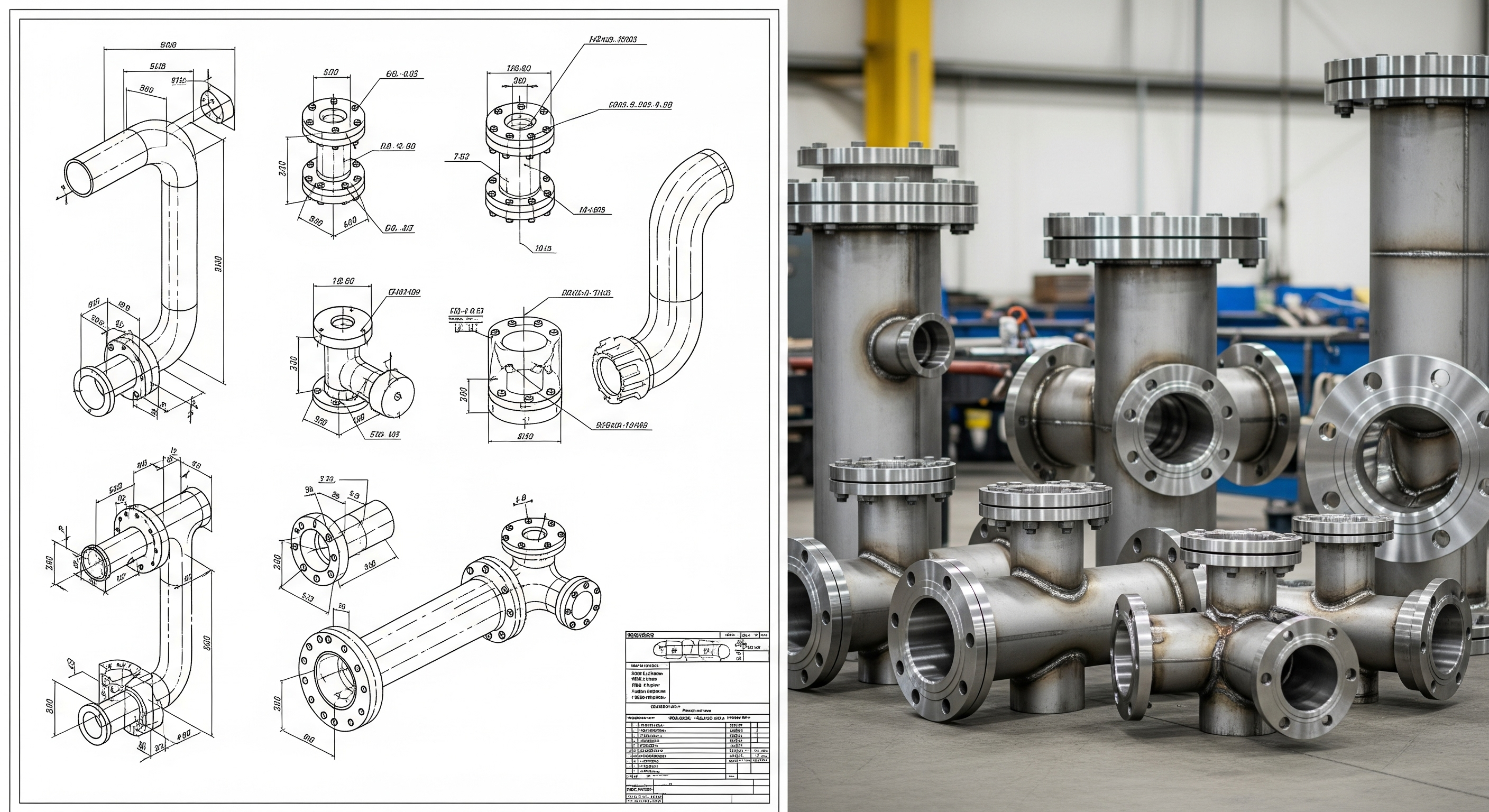
In construction, great coordination means nothing if it doesn’t reach the shop floor cleanly. The truth is simple: projects win or lose on the handoff from coordinated shop drawings to fabrication spools. When that handoff is tight, you get predictable lead times, fewer site surprises, and installs that fly. When it’s loose, you get rework, […]
Advantages of BIM 4D and 5D in the AEC Sector
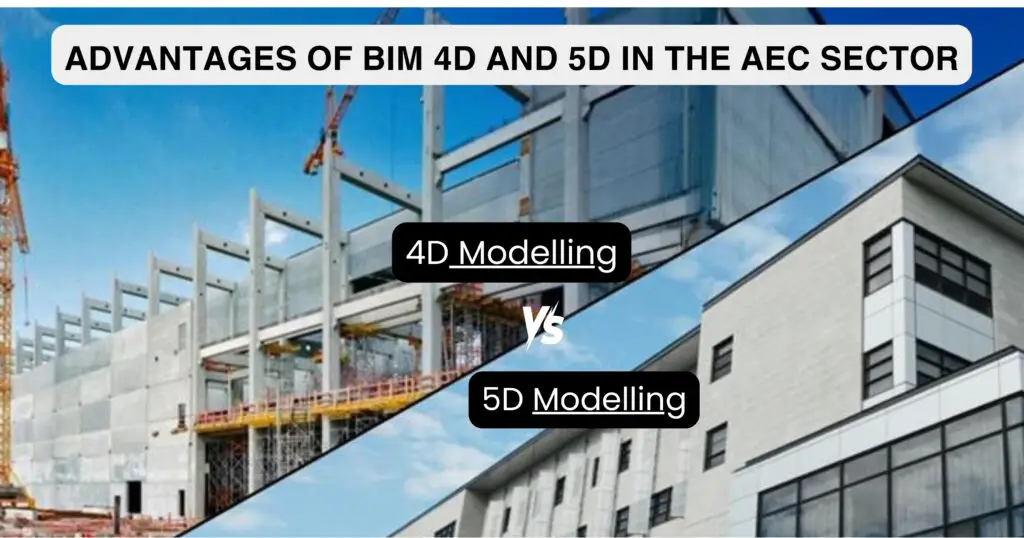
The basis of digital innovation in the Architecture, Engineering, Construction, and Operations (AECO) sector is Building Information Modeling (BIM), and it is being extensively used for everything from stadiums to high-rise buildings. The majority of the top AEC companies globally have already moved from the traditional CAD-based design process to the more sophisticated BIM, which […]
BIM Dimensions Explained: What Do 3D, 4D, 5D, 6D, 7D & 8D Mean in Construction?
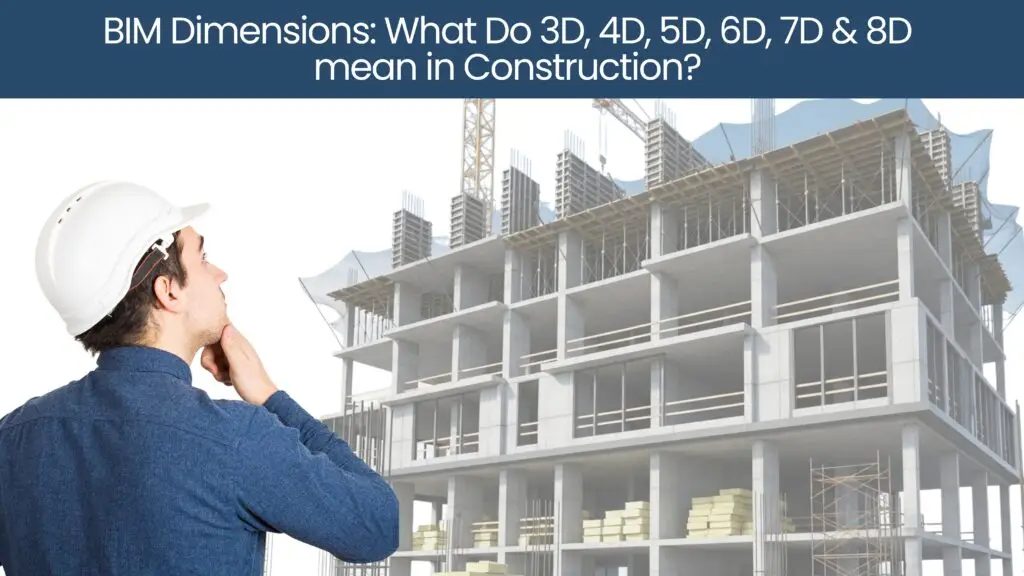
BIM is more than 3D models—it’s much more! Each BIM dimension adds another layer of useful information. 3D shows the visual design, and 4D adds time, helping you plan and track the construction schedule. 5D brings in cost details, so you can manage budgets better. 6D looks at energy and sustainability to design greener buildings. […]