
BIM 360 / ACC: Issue Tracking, RFIs, and Field Coordination

If your “issue log” still lives in Excel, email chains, and WhatsApp screenshots, you already know the truth: it’s not a system, it’s a liability. On real jobs, design clashes, site queries, and missing details don’t just slow you down, they directly hit margin, timelines, and reputation. That’s exactly where BIM 360 and Autodesk Construction […]
4D BIM: Sequencing, Look-Ahead Plans, and Trade Stacking You Can Build

4D BIM links your schedule to your model so the plan is visible, testable, and practical. Done well, it improves safety, delivery, and cash flow. Done poorly, it’s just a pretty video. Build a usable 4D model Organize model elements by work packages, zones, and floors. Map them to activities from P6 or MS Project. […]
Scan-to-BIM Services: Turning Point Clouds into Accurate As-Builts
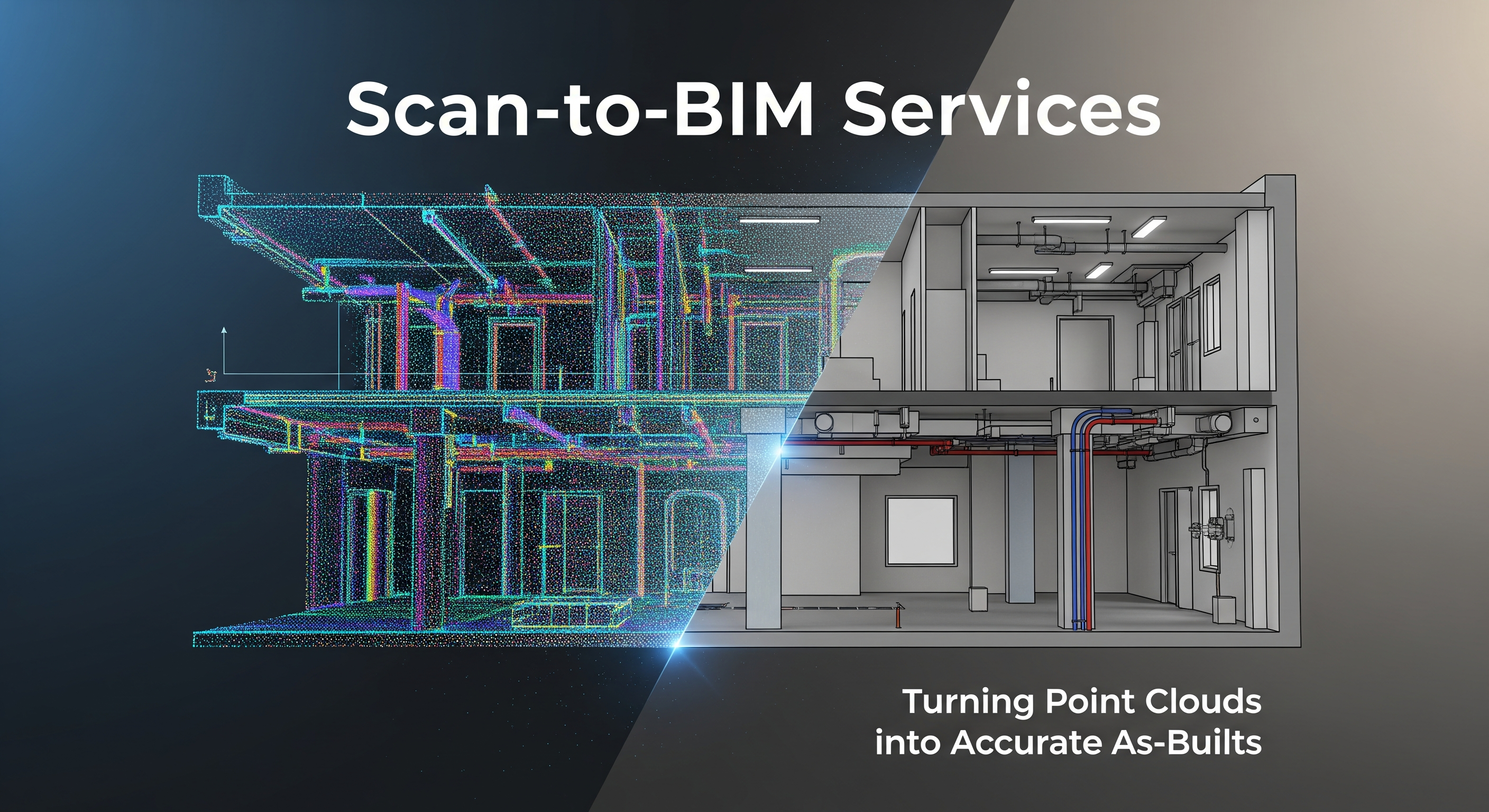
You can’t coordinate today’s work with yesterday’s measurements. Scan to BIM converts site reality into a model teams can trust, from brownfield renovations to hospital fit-outs. Capture: getting “field truth” right Use a 3D laser scanner for buildings to capture overlapping scans with targets or on-board SLAM. Aim for coverage on penetrations, slab edges, soffits, […]
Electrical BIM in Revit: Conduit Fill, Cable Trays, and Panel Schedules That Field Teams Trust
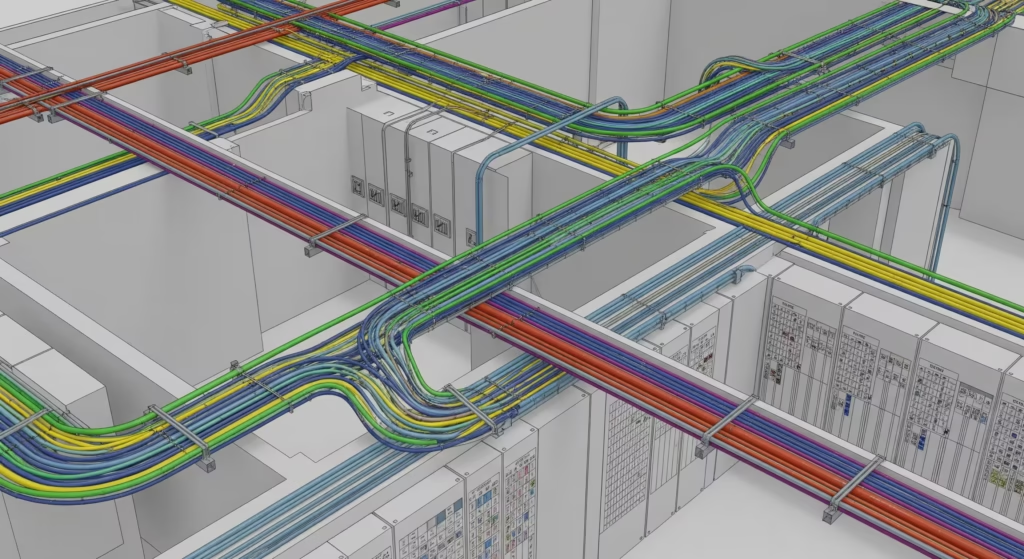
Electrical BIM only works when the model reflects installation reality, right down to conduit fill, cable-tray loading, and panel schedules that line up with as-built drawings. In Revit, that means building an information-rich system where parts, circuits, and schedules talk to each other and to the field. Here’s a clear, senior-level playbook you can use […]
Version Wars: AutoCAD Architecture vs Revit for Architects
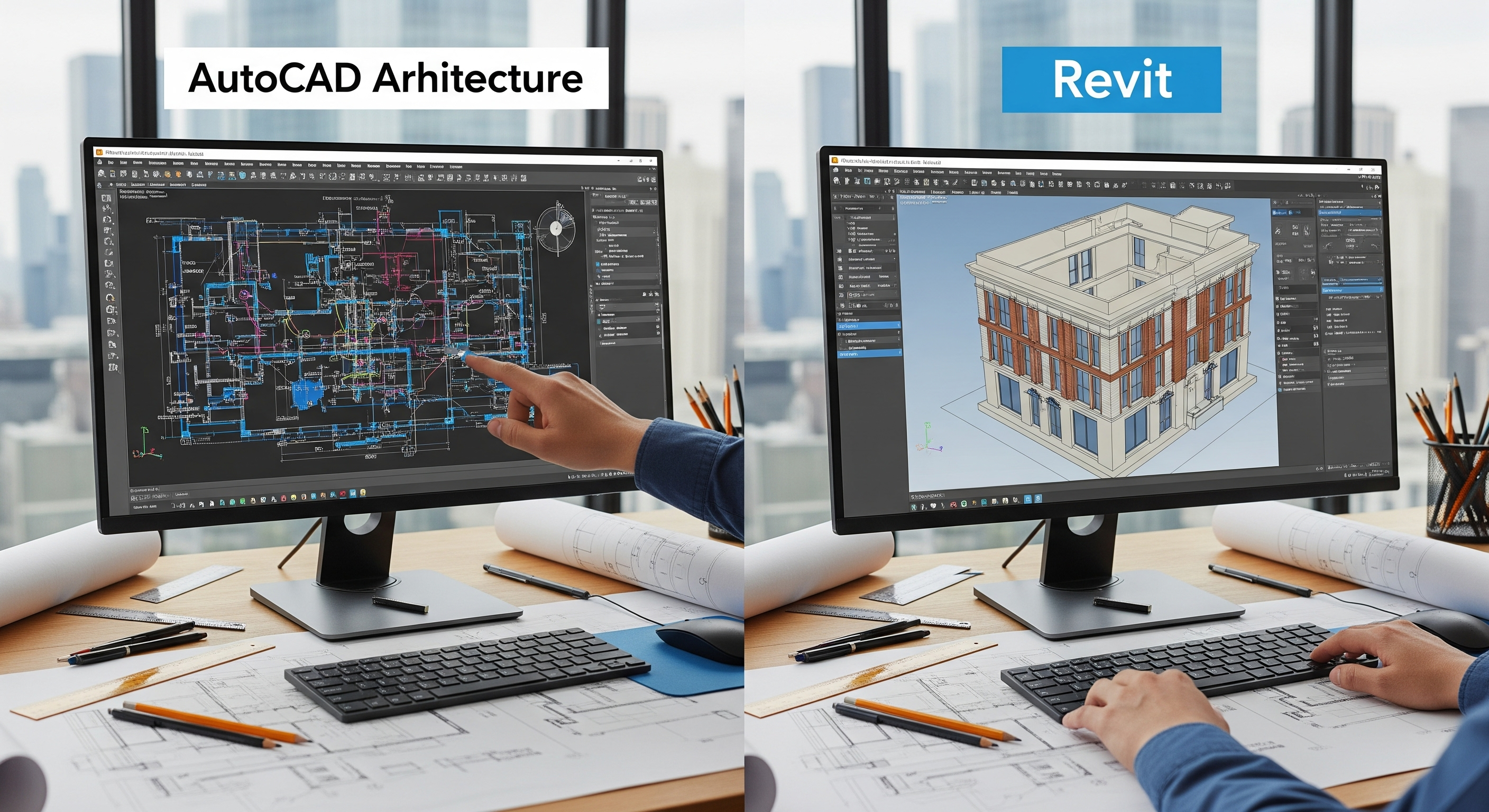
Choosing between AutoCAD Architecture and Revit isn’t just a software decision. It’s a business strategy. It influences your staffing model, deliverables, coordination workflow, and even how clients experience your design. If you’ve been weighing CAD vs BIM for your firm’s next chapter, this deep dive breaks down the tradeoffs in plain language so you can […]
Plumbing Drawings & Riser Diagrams: The Hidden Backbone of BIM
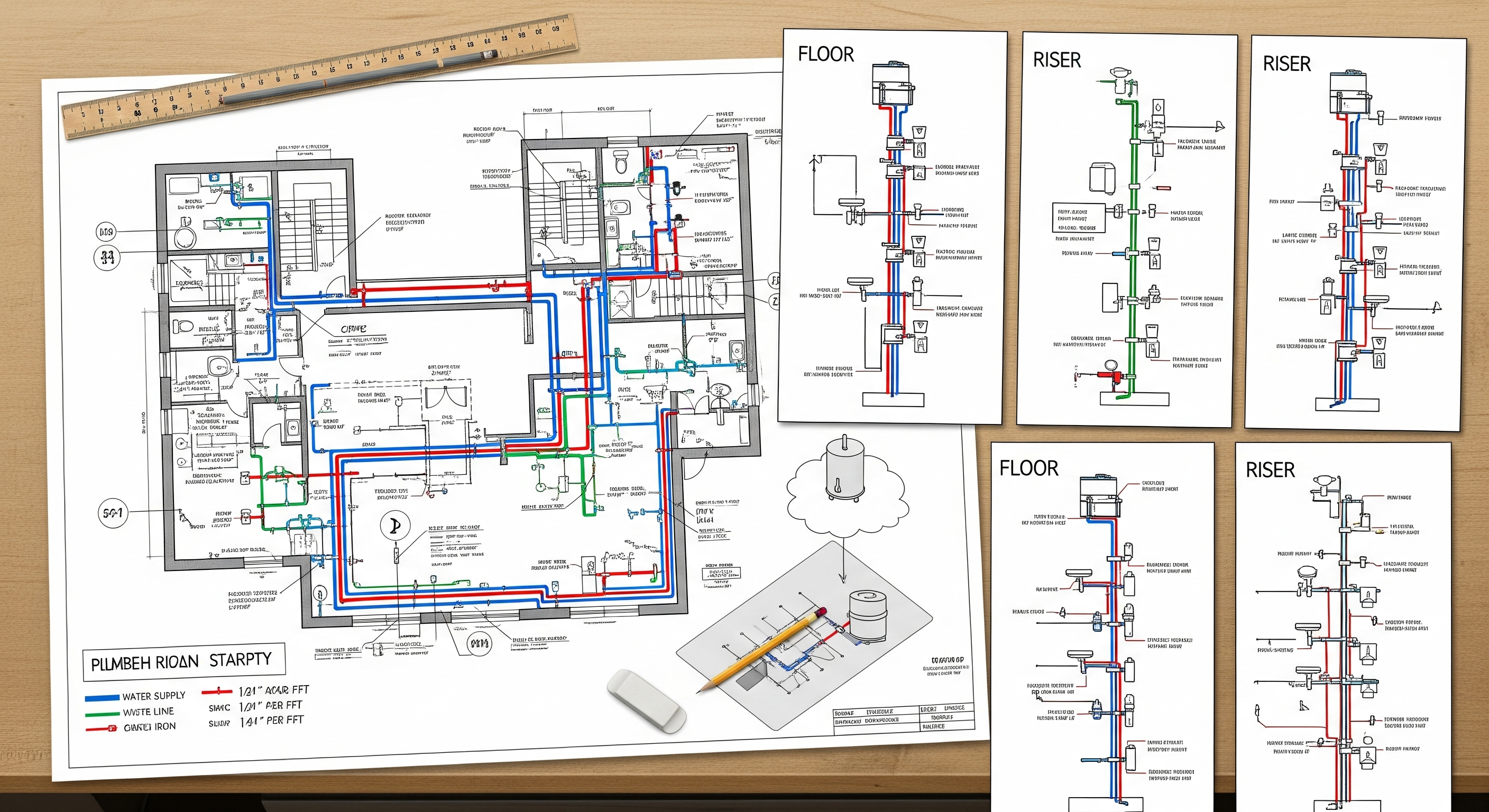
If you’ve ever walked a site and wondered why the ceilings feel lower, the answer is often plumbing. Waste lines need slope. Vents need clear vertical runs. Domestic hot and cold water risers fight for the same shafts as electrical and HVAC. In other words: plumbing drawings and riser diagrams quietly govern spatial decisions long […]
Architectural Revit: From Schematic to CD Sets Without Rework
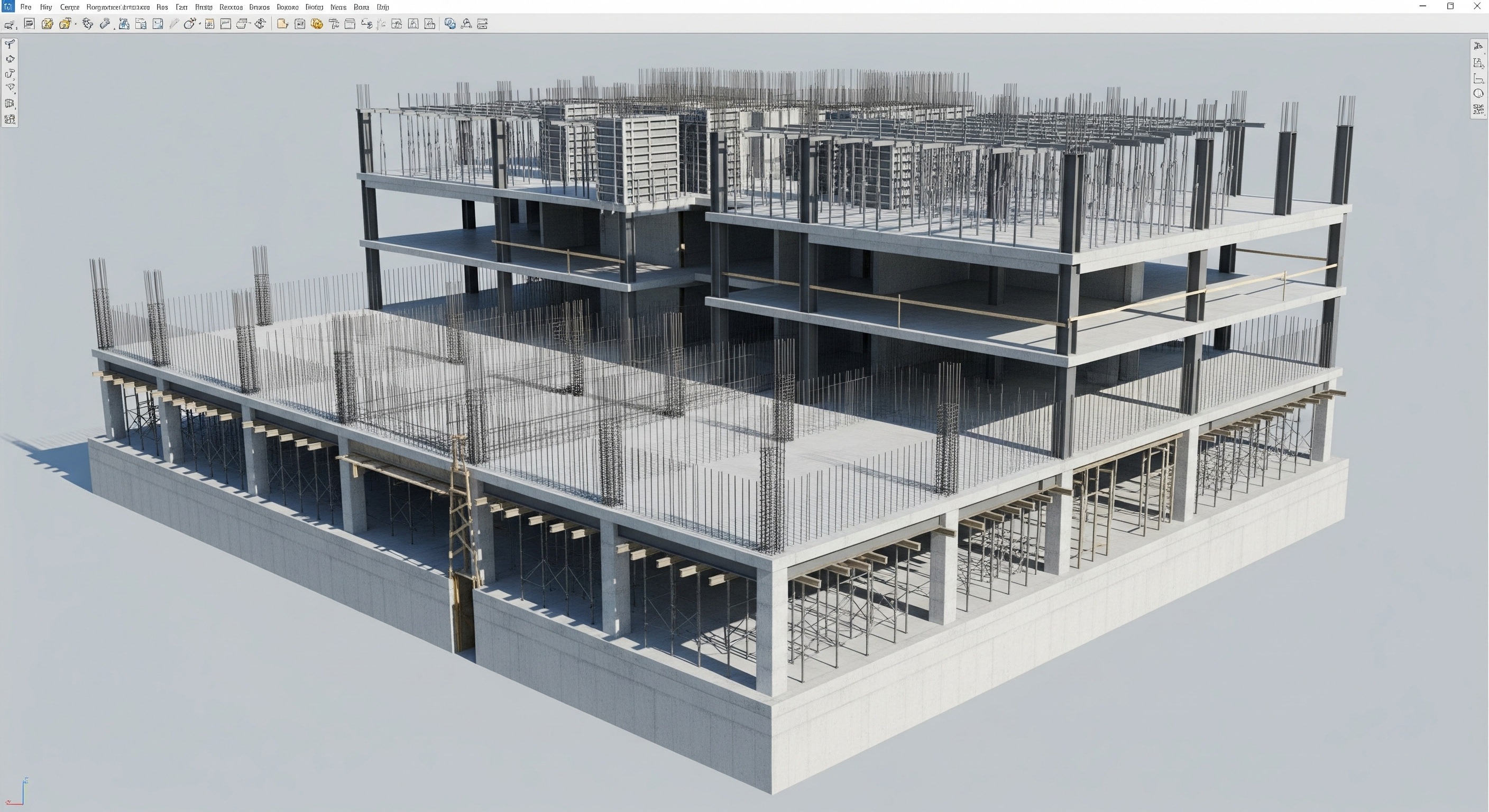
If you’ve ever rebuilt the same drawings three times, once for schematic, again for design development, and once more for CDs, you know the pain of “rework.” Architectural Revit changes that. With an information-rich model at the core, your design evolves in one connected environment, so updates flow through plans, elevations, sections, schedules, and sheets […]
Advantages of BIM 4D and 5D in the AEC Sector
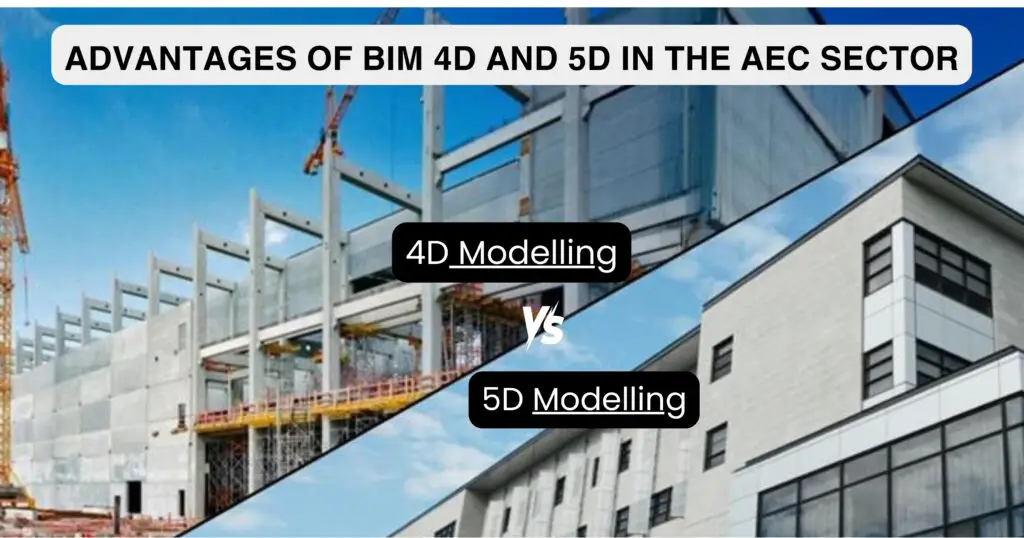
The basis of digital innovation in the Architecture, Engineering, Construction, and Operations (AECO) sector is Building Information Modeling (BIM), and it is being extensively used for everything from stadiums to high-rise buildings. The majority of the top AEC companies globally have already moved from the traditional CAD-based design process to the more sophisticated BIM, which […]
BIM Dimensions Explained: What Do 3D, 4D, 5D, 6D, 7D & 8D Mean in Construction?
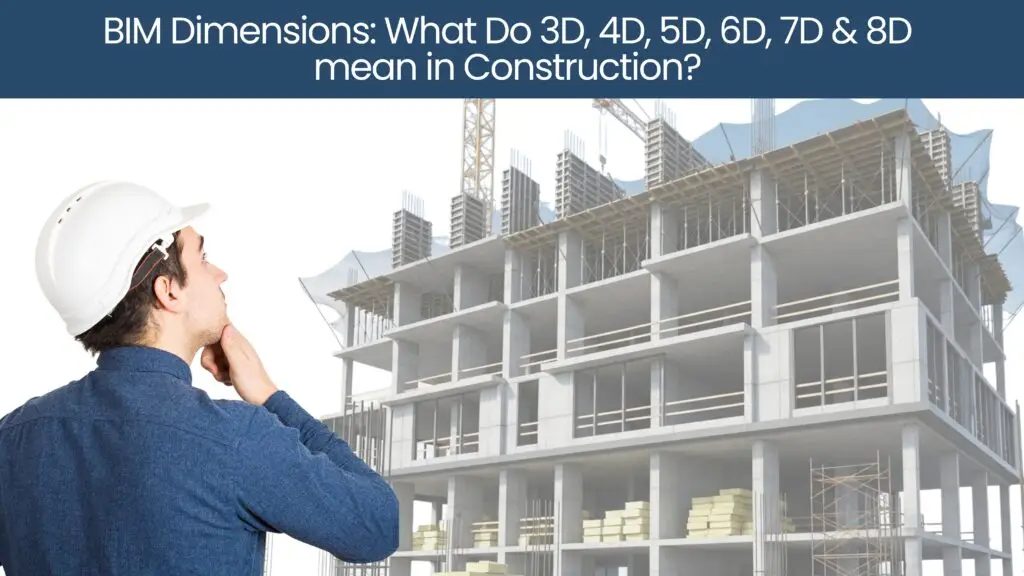
BIM is more than 3D models—it’s much more! Each BIM dimension adds another layer of useful information. 3D shows the visual design, and 4D adds time, helping you plan and track the construction schedule. 5D brings in cost details, so you can manage budgets better. 6D looks at energy and sustainability to design greener buildings. […]